Cork and Nitrile Rubber Sheets
Product Description
Product Detail
Cork and Nitrile Rubber Sheets for Fuel, Oil and Solvent Resistant Gasketing
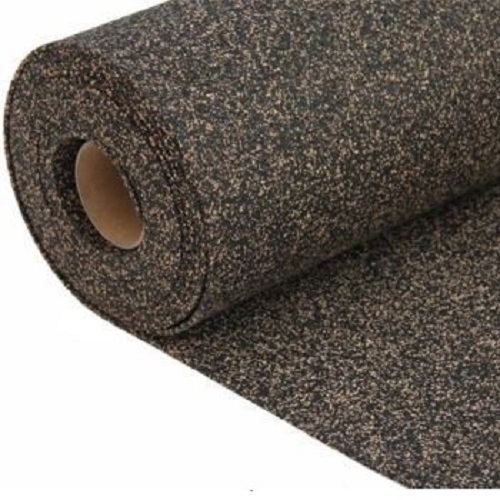
Cork and nitrile rubber sheet is a blend of high quality cork granules and nitrile rubber (NBR) binder. The nitrile component gives the sheet high resistance to oils, aromatic fuels and solvents, while the cork component preserves the compressibility and recovery that makes a gasket actually seal. This is the grade specified when the joint will see petroleum-based media — fuel system gaskets, oil-line flanges, carburettor and pump sealing.
The Kaxite H-series is available in eight standard thicknesses from 1/32" up to 1/2", in five standard sheet sizes. Each grade can be certified to meet Grades A, B or C of MIL C 6183 B Class 1.
What Cork and Nitrile Rubber Sheet Is Used For
Nitrile rubber is the standard binder for joints that see petroleum-based media — gasoline, diesel, kerosene, lubricating oils, hydraulic fluid and many aromatic solvents. Cork adds what rubber alone cannot deliver: dimensional stability under sustained bolt load, vibration damping, and a compressible structure that fills surface irregularities without being extruded out of the joint.
The result is a sheet material that stays sealed in fuel and oil systems where a plain rubber gasket would relax, and in low-pressure flanges where a plain cork gasket would fail from media contact. It is the grade most commonly specified for engine, transmission and fuel-handling equipment gasketing.
Where it fits in the Kaxite cork sheet range
This H-series sheet is the oil and fuel grade. For dry, light to medium duty sealing, use natural cork composition sheet. For weather, ozone and chemical exposure, use cork and neoprene rubber sheet (E-series, MIL C 6183 B Class 2).
Standard Thicknesses and Sheet Sizes
The H-series cork and nitrile rubber sheet is produced in eight standard thicknesses and five standard sheet sizes. Every thickness below is available in every listed sheet size, so specification comes down to the joint dimensions and the bolt load the gasket needs to carry.
| Thickness | 12" × 12" | 12" × 24" | 12" × 36" | 24" × 24" | 36" × 36" |
|---|---|---|---|---|---|
| 1/32" | ✓ | ✓ | ✓ | ✓ | ✓ |
| 1/16" | ✓ | ✓ | ✓ | ✓ | ✓ |
| 3/32" | ✓ | ✓ | ✓ | ✓ | ✓ |
| 1/8" | ✓ | ✓ | ✓ | ✓ | ✓ |
| 3/16" | ✓ | ✓ | ✓ | ✓ | ✓ |
| 1/4" | ✓ | ✓ | ✓ | ✓ | ✓ |
| 3/8" | ✓ | ✓ | ✓ | ✓ | ✓ |
| 1/2" | ✓ | ✓ | ✓ | ✓ | ✓ |
Thicknesses outside the eight listed above and sheet sizes larger than 36"×36" can be produced on request. Send the required specification and we will confirm availability.
Technical Specifications
Typical physical and performance values for the standard H-series cork and nitrile rubber sheet. Actual figures vary slightly with thickness and batch — request a batch certificate where a hard specification limit applies.
| Property | Typical Value | Notes |
|---|---|---|
| Composition | Cork granules + nitrile rubber binder | High-quality grade cork and NBR |
| Binder | Nitrile rubber (NBR) | Provides oil and fuel resistance |
| Thickness Range | 1/32" to 1/2" | Eight standard gauges |
| Sheet Sizes | 12"×12" to 36"×36" | Five standard sizes |
| Supply Format | Sheets | Cut-to-size available |
| Oil Resistance | High | Petroleum-based oils and lubricants |
| Aromatic Fuel Resistance | High | Gasoline, diesel, kerosene, aromatic fuels |
| Solvent Resistance | High | Many common industrial solvents |
| Compressibility | Good | Cork structure compresses into surface irregularities |
| Recovery | Good | Maintains sealing force as bolt load relaxes |
| Certification | MIL C 6183 B Class 1 | Grades A, B or C available |
| Surface | Smooth, void-free | No through holes in the sheet matrix |
MIL C 6183 B Certification
The H-series cork and nitrile rubber sheet can be certified to meet the three grades defined under MIL C 6183 B Class 1. Grade selection depends on the specific mechanical and chemical requirement of the end application — request certification at the quotation stage so the correct grade is produced and documented.
Why Class 1 and not Class 2?
Class 1 under MIL C 6183 B is the nitrile-rubber bound category, giving the highest oil and aromatic fuel resistance. Class 2 is the neoprene-rubber bound category — specified when weather, ozone and chemical exposure matter more than fuel contact. Kaxite produces both, and can confirm which class matches your specification.
Typical Applications
How to Specify Cork and Nitrile Rubber Sheet
- Confirm the working media. This H-series sheet is specified for oil, aromatic fuel and solvent contact. For dry light-to-medium duty sealing, use natural cork composition sheet instead.
- Select the thickness. Thinner gauges (1/32"–1/8") suit machined flanges with good surface finish. Thicker gauges (3/16"–1/2") suit rougher surfaces or joints that need greater compressibility.
- Choose the sheet size. Match sheet size to the gasket dimensions — 12"×12" for small gaskets; larger sizes to reduce offcut waste.
- State the certification grade. If your specification calls for MIL C 6183 B Class 1, specify Grade A, B or C at the quotation stage.
Cork and Nitrile Rubber Sheet FAQs
What is cork and nitrile rubber sheet made from?
It is a blend of high-quality cork granules and nitrile rubber (NBR) binder. The nitrile component provides oil, aromatic fuel and solvent resistance, while the cork preserves compressibility and recovery.
What is the difference between cork and nitrile rubber sheet and cork and neoprene rubber sheet?
Cork and nitrile rubber sheet (H-series) is bound with nitrile rubber, giving high resistance to oils, aromatic fuels and solvents — MIL C 6183 B Class 1. Cork and neoprene rubber sheet (E-series) is bound with neoprene rubber, giving better weather, ozone and chemical resistance — MIL C 6183 B Class 2. Choose based on the media the joint will see.
Is this grade suitable for gasoline and diesel contact?
Yes. The nitrile binder is specifically selected for resistance to aromatic fuels including gasoline, diesel and kerosene, plus petroleum-based lubricating oils and many common industrial solvents.
What thicknesses and sheet sizes are available?
Eight standard thicknesses: 1/32", 1/16", 3/32", 1/8", 3/16", 1/4", 3/8" and 1/2". Five standard sheet sizes: 12"×12", 12"×24", 12"×36", 24"×24" and 36"×36". Custom thicknesses and sizes can be produced on request.
Can the sheet be certified to MIL C 6183 B?
Yes. Each grade of the H-series can be certified to meet Grades A, B or C of MIL C 6183 B Class 1. Please state the required grade at the quotation stage so the correct grade is produced and documented.
Does the sheet contain through holes or voids?
No. The sheet has a smooth surface and does not contain through holes or voids within the cork-rubber matrix, which matters at thin gauges where a void would become a leak path under pressure.
How should the sheet be stored?
Store flat, dry and away from direct sunlight. Under those conditions the sheet holds its dimensions and mechanical properties for extended periods and can be cut to size on demand.
What other cork-based grades does Kaxite supply?
Kaxite also supplies natural cork composition sheet (10/20 grind, general purpose, dry sealing) and cork and neoprene rubber sheet (E-series, MIL C 6183 B Class 2, soft / medium / firm density), plus a general cork rubber sheet for indoor light to medium duty applications.
Request a Cork and Nitrile Rubber Sheet Quotation
Send the working media, required thickness, sheet size and — if applicable — the required MIL C 6183 B grade. Kaxite will confirm availability, lead time and certification options. If your application does not involve oil or fuel contact, we will recommend the appropriate cork grade instead.